

Please fill out the form below to request a quote or to request more information about us. please be as detailed as possible in your message, and we will get back to you as soon as possible with a response. we're ready to start working on your new project, contact us now to get started.
Why Choose ATEX Certified Panel PCs for Your Industrial Applications?
2026-02-07
PanelMate
19
ATEX certification is a global standard designed to ensure that equipment functions effectively and safely in environments with explosive atmospheres. The "ATEX" stands for "Area of Transition with explosive mixtures of gases." When a device is ATEX certified, it means it has passed rigorous tests to withstand the challenges posed by these hazardous environments. This certification is particularly important for panel PCs, which are often used in industrial settings where they must process data and control operations in explosive or flammable conditions.
Key features of ATEX certification include robust design against electromagnetic interference, low-level electrostatic discharges, and resistance to oxidation. These attributes ensure that panel PCs operate reliably even when exposed to the worst-case conditions, thereby safeguarding against malfunctions that could lead to accidents.
The Benefits of ATEX Certified Panel PCs in Industrial Applications
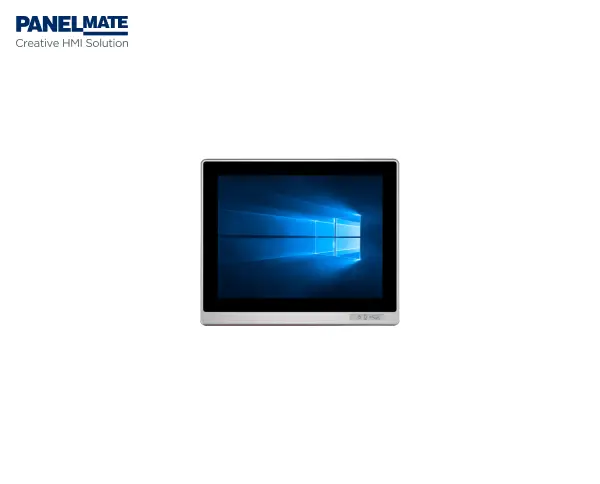
Enhanced Safety and Reliability: ATEX certified panel PCs are built to handle the harsh conditions of explosive environments. This means they can operate without risk of malfunction, reducing the likelihood of accidents and ensuring that industrial processes continue smoothly.
Improved Operational Efficiency: With reliable equipment, industries can optimize their operations. ATEX certified PCs are designed for durability and longevity, which means they require less downtime and can handle the heavy load of industrial tasks.
Compliance with International Standards: Adhering to standards like EN 50150 and EN 50164 ensures that your equipment meets global safety regulations. This not only reduces legal risks but also positions your company as a responsible player in the industry.
Protection Against Electromagnetic Interference: Industrial environments often face interference from electromagnetic fields, a common issue in mining and oil and gas sectors. ATEX certified PCs are designed to filter out these interferences, ensuring stable operation.
Case Studies: Real-World Success Stories
Imagine an oil and gas company in an area prone to flammable conditions. Without ATEX certified panel PCs, their control systems might struggle in the face of explosive environments. After upgrading to ATEX certified technology, they noticed a significant reduction in system failures, leading to fewer accidents and increased productivity. This company's success is a testament to the benefits of investing in ATEX technology.
Comparative Analysis: ATEX vs. Non-ATEX Panel PCs
Comparing ATEX certified panel PCs with their non-ATEX counterparts reveals several advantages. ATEX devices are built to withstand harsh conditions, ensuring continuous operation. They also tend to have longer lifespans and require less maintenance, which can lead to cost savings in the long run. While non-ATEX PCs might suffice in less demanding environments, ATEX certification offers the peace of mind needed for high-risk industrial applications.
Technical Considerations: Maintenance and Installation
Maintaining ATEX certified panel PCs requires regular updates and checks to ensure they remain in optimal condition. Proper installation guidelines should be followed to avoid installation-related issues. Regular maintenance, including checking for wear and tear and ensuring the system is updated with the latest security patches, is essential for maximizing the device's performance and safety.
Future Trends in ATEX Certified Technology
The future of ATEX certified panel PCs looks promising. Upcoming advancements may include AI integration for predictive maintenance, enhanced user interfaces for better usability, and energy efficiency improvements. These innovations will not only make ATEX technology more advanced but also more accessible, further solidifying its role in industrial safety.
Investing in Safety with ATEX Certified Technology
In an industrial setting, safety is not just a considerationit's a necessity. ATEX certified panel PCs offer a robust solution to the challenges of explosive environments, ensuring both safety and reliability. By investing in ATEX technology, businesses can reduce risks, enhance productivity, and operate with confidence. It's time to embrace ATEX certification for a safer, more efficient industrial future.
Table of Contents
GET IN TOUCH WITH Us
recommended articles
Address: Building 18th, No.177 FuLian 2nd Road, BaoShan District, Shanghai
WhatsApp: +86 19121249109